
The Quiet Superstar offers an intimate look at how Kento Momota learned to face Japan’s intense spotlight while preserving his privacy and emotional balance. From selective media engagement to thoughtful post-retirement mentorship, he demonstrates a calm, measured approach to public life shaped by discipline and gratitude.
Embracing Fame with Humble Roots
Momota’s ascent to fame was meteoric, yet he approached celebrity with the same measured footwork that defined his game.
From Rural Prodigy to National Icon
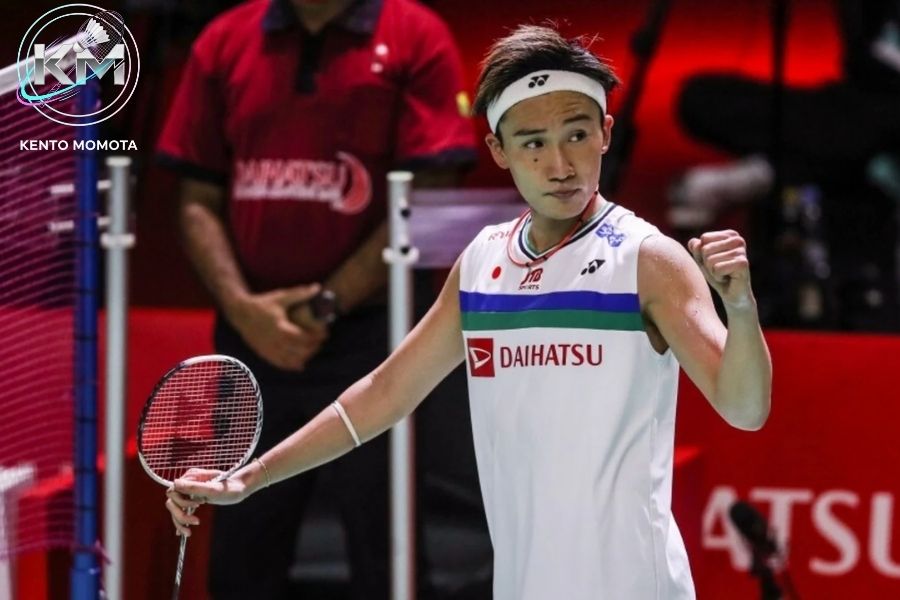
Born September 1, 1994, Momota’s early life in rural Kagawa instilled a low-key ethos far removed from Tokyo’s glare. Discovered at 16 for his junior world gold in 2012, fame truly ignited post-2018 Worlds, when he became Japan’s face of badminton—headlines, endorsements, and a Guinness record for seasonal titles. Yet, in interviews, he downplayed the buzz: “I want to play as the best player in Japan,” focusing on duty over dazzle. This humility buffered the 2016 scandal’s fallout, where public shaming stripped his Rio dreams, teaching him fame’s fragility early.
Navigating Media Scrutiny Gracefully
Public appearances were sparse; Momota preferred controlled outlets like NHK docs over tabloids. Post-2020 accident, media narratives shifted to redemption, which he leveraged thoughtfully—appearing in “Unbreakable” campaigns but avoiding oversharing. By 2025, as a commentator in Paris, he found voice without ego, analyzing matches with peers like Viktor Axelsen, whom he once dominated 14-1 head-to-head. His strategy: selective engagement, preserving privacy while fulfilling inspirational roles.
Mastering Pressure: Mental Tools of a Champion
Pressure defined Momota’s career, from Olympic hopes to personal lows, but he forged tools to thrive under it.
Olympic Weight and Emotional Battles
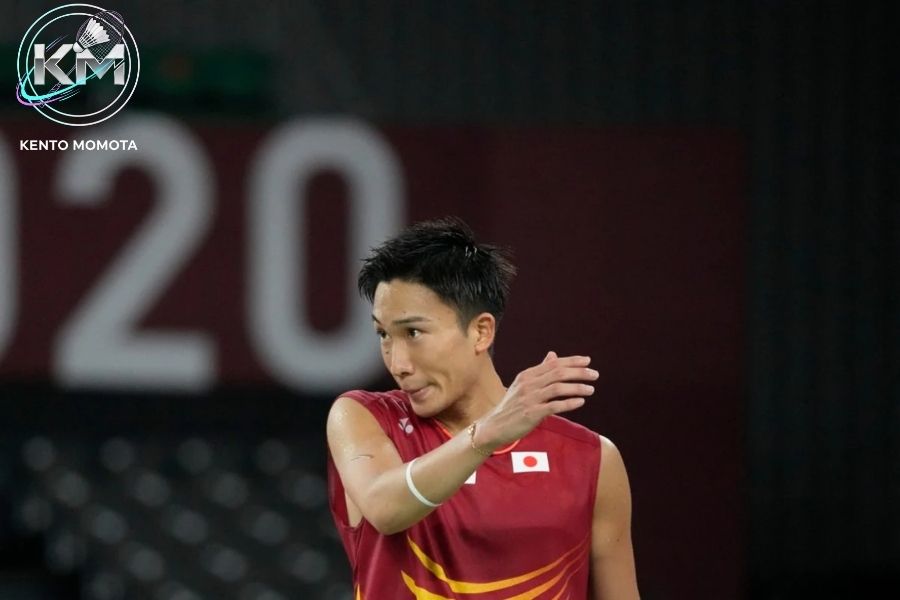
The 2021 Tokyo Games epitomized the strain: as Japan’s gold hopeful, Momota confessed to Laureus, “The pressure is huge,” admitting emotional cracks after a shock loss to Heo Kwang-hee. Earlier, 2019’s dominance masked internal tension; he idolized Lin Dan and Lee Chong Wei for their sustained No. 1 poise, aspiring to mirror it despite the “nerve-wracking” youth rivalries. Post-accident rehab amplified this—sleep eluded him amid doubts, yet he reframed it: “Turn that into a positive… with productive tension.”
Self-Talk and Solo Rituals for Resilience
Momota’s arsenal included introspective hacks. “I talk to myself during matches,” he revealed post-2023 All Japan win, using cues like “cut down on errors” to refocus. Nightly solo training became his “secret” antidote, a meditative grind building mental fortitude. In 2022’s “rock bottom” after Worlds exit to Prannoy H.S., he leaned on conversations for incremental recovery: “Get back on my feet, little by little.” These habits underscore his evolution—pressure no longer paralyzes but propels.
| Pressure Phase | Key Challenge | Momota’s Coping Mechanism |
| Pre-2020 Peak | Scandal & Suspension | Channel into disciplined return, idolizing long-term greats |
| Tokyo Olympics | Gold Expectations | Acknowledge “huge” weight, use self-talk for emotional steadiness |
| Post-Accident Slump | Confidence Loss & Insomnia | Solo training rituals, daily gratitude to “seize the day” |
| 2022 Worlds Exit | Absolute Rock Bottom | Peer dialogues for gradual rebuilding |
Public Life: From Shadows to Selective Spotlight
Momota’s public persona blended reticence with responsibility, adapting as fame’s demands grew.
The Reluctant Spotlight Seeker
Early fame post-2019 saw Momota shun excess; he craved “normalcy,” dreaming of fame-oblivious connections. Public life meant team duties over solo stardom—Thomas Cup contributions fostered camaraderie, easing isolation. The 2020 crash thrust him into sympathetic scrutiny, but he responded with candor: “I could have been killed… now I take none for granted,” turning vulnerability into relatable strength.
Post-Retirement Pivot to Mentorship
Retiring after 2024 Thomas Cup—Japan’s quarterfinal exit to Malaysia—freed him from elite pressures. By 2025, coaching NTT juniors and commentating Worlds marked a shift: “Now I carry stories,” he reflected in Paris, headset on, dissecting plays with grace. Domestic play persists till February 2026, but public roles emphasize grassroots—clinics where he imparts “joy of movement” sans ego. This curated visibility honors his mantra: “Express my gratitude on the court,” extending it to life.
The Resilience That Defines His Legacy
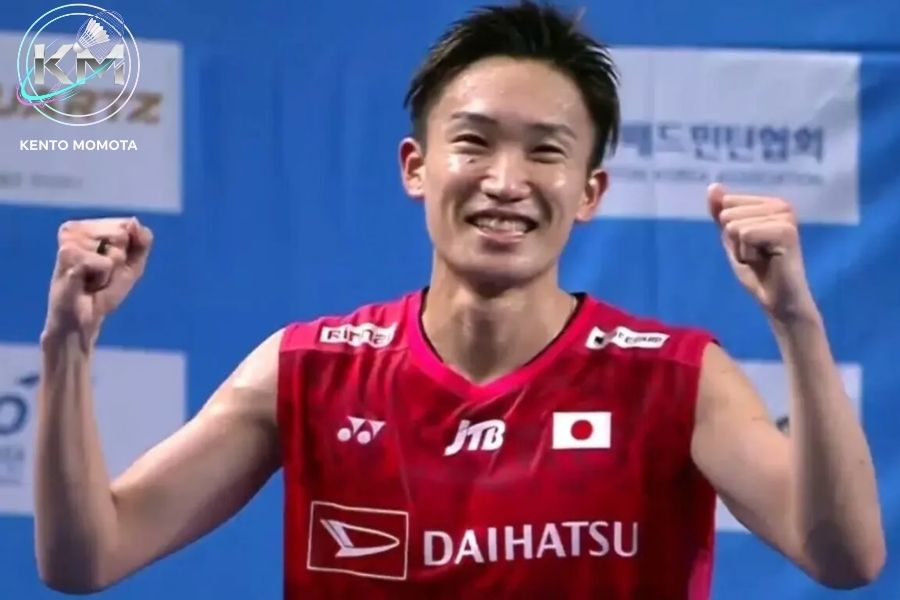
Momota’s handling of fame, pressure, and public life cements him as badminton’s Quiet Superstar—a figure whose 383-115 record pales beside his inner triumphs. From gambling’s abyss to accident’s edge, he emerged not louder, but wiser: “After that experience, I have a new determination.” As 2025 unfolds with coaching whispers and potential full retirement, his story whispers back—stardom sustained not by roars, but by quiet resolve. In a sport of smashes, Momota reminds us: true victory echoes in the pauses.
Fans who want to see the human side of Momota beyond the court can head over to Lifestyle & Personal, where his routines, personality, and off-court life are explored
