
Momota off the court reveals the grounded, human side of Kento Momota – far beyond world titles and global fame. His life outside badminton centers on deep family bonds, quiet hobbies for balance, meaningful friendships with teammates, and private reflections shaped by adversity. This portrait uncovers the authentic man behind the legend.
Family Ties: The Quiet Anchor of Momota’s Life
Kento Momota’s family has been his unspoken superpower, providing the stability that fueled his badminton ascent and emotional recovery.
Roots in Rural Japan and Parental Influence
Growing up in Mino, a peaceful Kagawa village, Momota’s childhood revolved around natural rhythms and familial encouragement. His father, Nobuhiro, a non-athlete who dove into badminton studies, constructed a homemade court in their backyard—a testament to quiet dedication that mirrored the Superman-inspired name “Kento,” bestowed by parents Nobuhiro and Michiyo in hopes he’d become “the strongest person in the world.” These rural roots instilled discipline without pressure, allowing Momota to discover the sport at age seven through casual play.
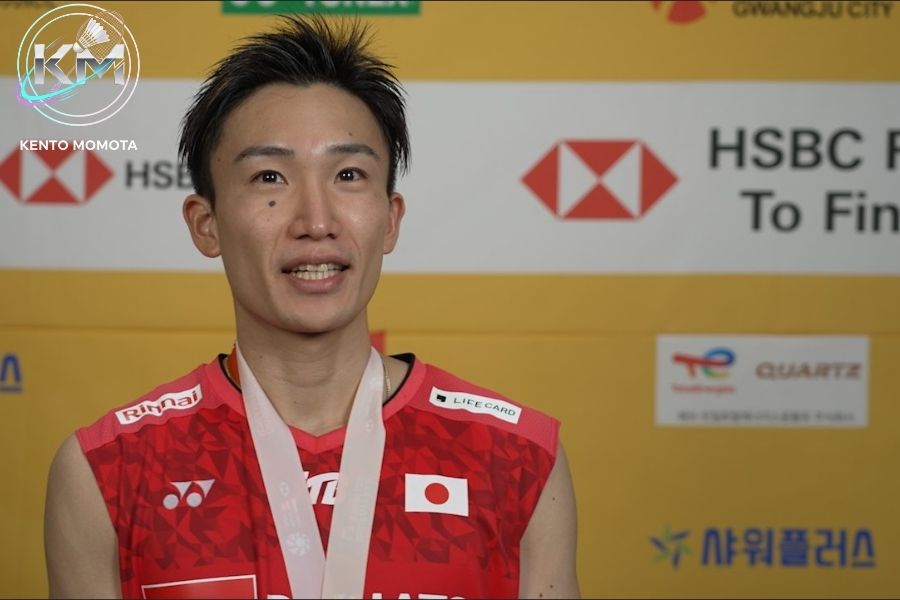
Sibling Bond and Inspirational Beginnings
Older sister Meiko sparked Momota’s passion, introducing him to the racket during elementary school; her influence extended beyond play, fostering a sibling dynamic of mutual support. Meiko’s presence during family moves from Mitoyo to Mino symbolized continuity, and Momota has often credited her for igniting the joy that carried him through junior triumphs like the 2012 World Junior gold.
Hobbies and Interests: Seeking Normalcy Amid Stardom
Beyond shuttles, Momota’s leisure pursuits reveal a man craving balance, channeling energy into routines that blend discipline with escape.
Stress Relief Through Self-Challenge
Momota’s primary hobby? Pushing physical limits via “hard training” as a deliberate stress-buster, a habit honed during COVID-19 downtime and post-accident rehab. In a 2020 Instagram Live, he shared, “I persecute myself through difficult things to eliminate tension,” turning grueling workouts into meditative outlets that rebuilt confidence after his 2016 suspension’s isolation.
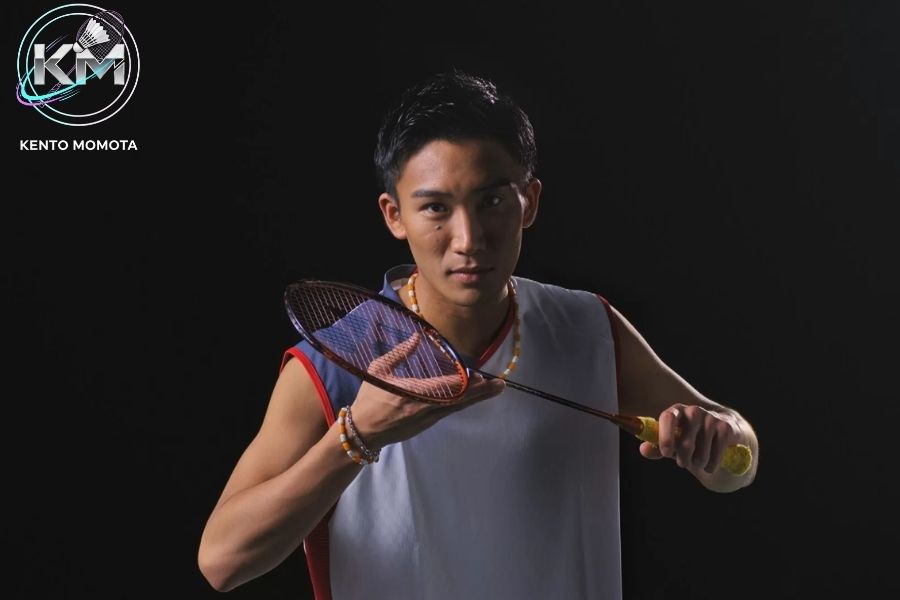
Aspirations for Everyday Connections
Interests skew toward the uncelebrated: Momota dreams of a relationship with someone oblivious to his fame, allowing him to “just be Kento” over the athlete. Open to marriage and fatherhood since retiring, he envisions family life as a new adventure, while his love for sports extends to mentoring kids, emphasizing “the joy of moving their bodies” in casual play. Volunteer work during his ban, aiding community events, hints at a philanthropic streak, though he keeps it low-key.
| Hobby/Interest | Description | How It Reflects Momota’s Personality |
| Intense Training | Self-imposed workouts for mental clarity | Disciplined yet introspective, turning adversity into growth |
| Youth Mentorship | Playing badminton with juniors in Fukushima | Approachable and grateful, passing on passion without ego |
| Imagined Normalcy | Seeking non-badminton-aware partners | Humble, yearning for authenticity beyond titles |
| Family Exploration | Openness to marriage and kids post-retirement | Forward-looking, embracing vulnerability at 31 |
Friendships: Teammates as Chosen Family
In a solitary sport, Momota’s bonds with fellow players provide camaraderie, turning rivals into lifelines.
Inseparable Gym Buddies and Travel Companions
Teammates Kenta Nishimoto and Koki Watanabe are Momota’s constants—sharing rooms, gym sessions, and tournament travels to fend off his “easy succumb to loneliness.” Nishimoto notes Momota’s surprising need for company, while Watanabe’s presence during 2024’s Thomas Cup farewell underscored their brotherly dynamic, with group photos capturing lighthearted post-match laughs.
Rivalries Turned Respectful Alliances
Off-court, Momota nurtures ties with global stars like Anthony Sinisuka Ginting, whose 2022 Thomas Cup victory over him prompted mutual admiration tweets. These friendships, forged in competition, extend to casual meetups, where shared stories of resilience—like Ginting’s own comebacks—strengthen a supportive network that echoed during Momota’s accident recovery.
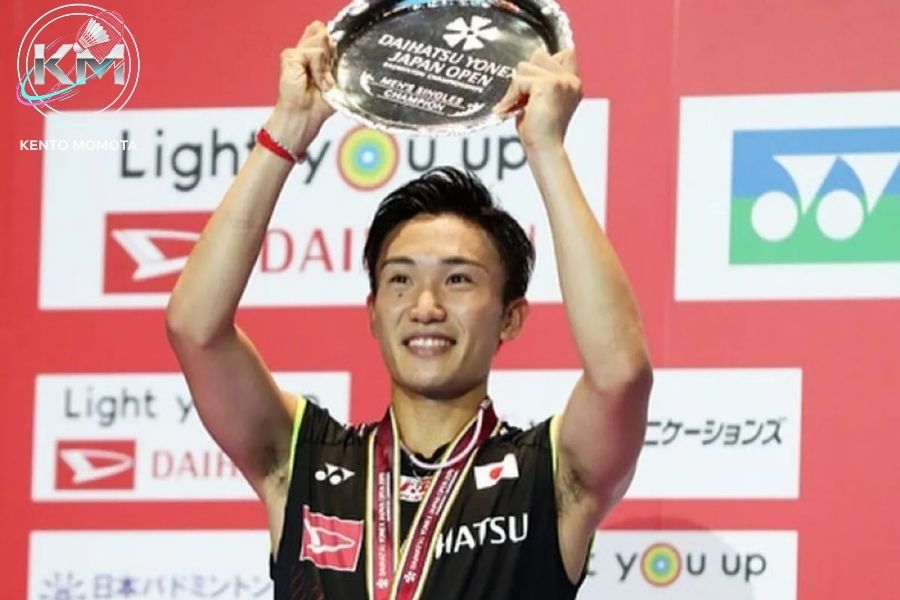
Private Moments: Resilience in Reflection and Recovery
Momota guards his inner world closely, with glimpses revealing profound growth through trials.
The 2020 Accident’s Emotional Aftermath
A near-fatal January 2020 crash in Malaysia left Momota with facial fractures and a broken nose, but private hospital days were defined by family visits and teammate check-ins that reignited his fire. “There were times my spirit almost broke,” he later admitted, yet these solitary rehab hours birthed a deeper gratitude, shared sparingly in NHK documentaries.
Post-Retirement Reflections and Gratitude
Turning 30 in 2024 amid retirement buzz, Momota’s Instagram post—”Thank you to my family, staff, players, and fans”—captured a private evolution toward openness. As NTT East coach, quiet moments now involve journaling joys of play and planning Fukushima youth clinics, embodying his vow: “Express my gratitude on the court,” even off it.
Conclusion: A Balanced Legacy Beyond the Baseline
Momota off the court paints Kento as more than a champion—a son, brother, friend, and mentor whose hobbies, interests, friendships, and private moments weave a tapestry of quiet strength. From rural homemade courts to teammate-shared gyms, his life affirms that resilience thrives in connection, not isolation. As he inspires Japan’s next shuttlers at 31, Momota’s off-court essence endures: a reminder that true power lies in embracing the ordinary with extraordinary heart.
Fans who want to see the human side of Momota beyond the court can head over to Lifestyle & Personal, where his routines, personality, and off-court life are explored
