
Kento Momota is more than a champion; he is a symbol of discipline and resilience. As we examine the Kento Momota badminton legacy, we see a journey defined by precision, power, and an unbreakable spirit that redefined the world stage, making him an inspiration for athletes everywhere.
The 2019 Phenomenon: A Season for the History Books
If you want to pinpoint the peak of the Kento Momota badminton legacy, look no further than 2019. It was a year where Momota didn’t just win; he dominated to a degree rarely seen since the prime of Lin Dan. Winning 11 individual titles in a single season, he surpassed the previous record held by the legendary Lee Chong Wei.
This feat earned him a spot in the Guinness World Records, but the numbers only tell half the story. During this run, Momota displayed a level of “unpredictable, explosive, and unstoppable” energy that left opponents suffocated. Whether it was the All England Open, the World Championships, or the BWF World Tour Finals, Momota was the final boss that no one could defeat. His ability to maintain peak physical condition while navigating the grueling international circuit solidified his status as the first Japanese men’s singles World No.1.
A Masterclass in Precision and Defensive Power
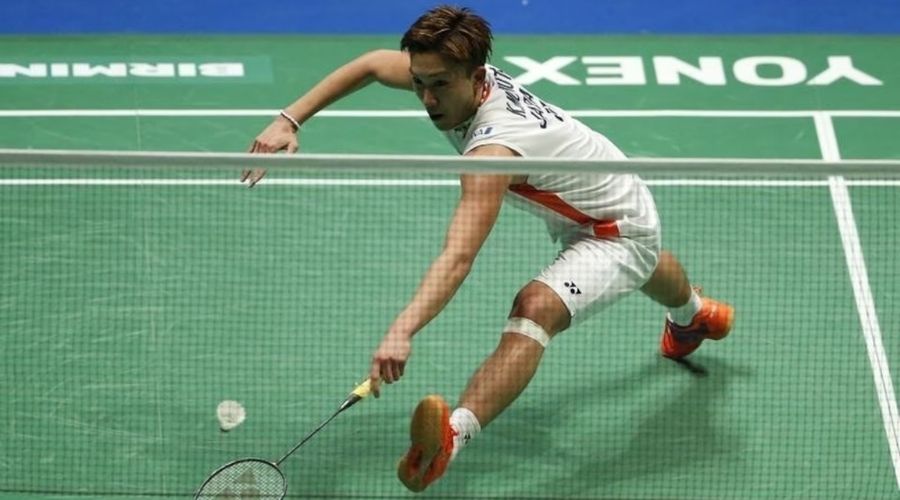
What exactly made him so difficult to beat? The Kento Momota badminton legacy is built on the foundation of “Precision & Power.” Unlike players who rely on raw aggression, Momota’s game was a slow-burn masterpiece.
The Art of Net Control
Momota’s net play was often described as “surgical.” He had a way of tumbling the shuttlecock so tightly over the white tape that his opponents were forced to lift it high and short. This wasn’t just luck; it was hours of disciplined practice showing through. Once the opponent lifted the bird, Momota’s explosive footwork allowed him to pounce, ending the rally with a clinical cross-court smash.
The Unbreakable Defense
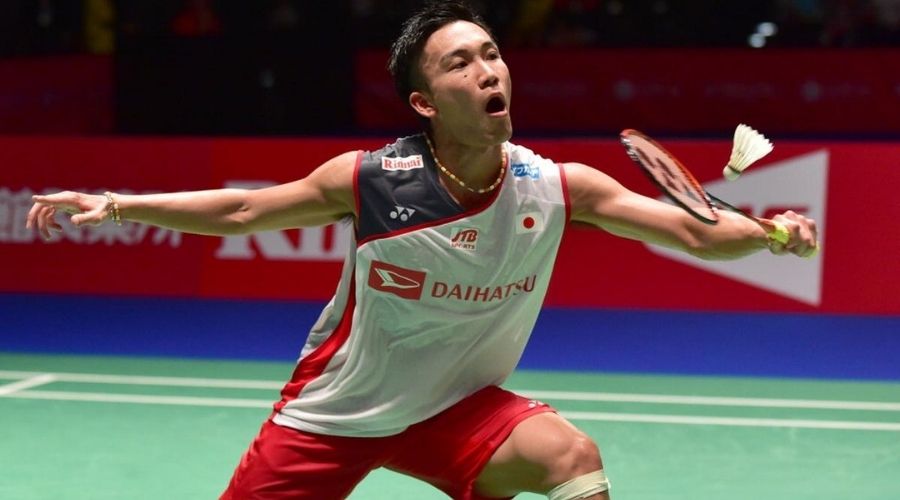
Perhaps the most frustrating aspect of facing Momota was his defensive wall. He moved with a grace that made the court look small. Even the most powerful smashes from rivals like Viktor Axelsen or Anthony Ginting would often find their way back over the net, courtesy of Momota’s exceptional reflex and racket-head control. He didn’t just return shots; he placed them in areas that forced his opponents to move again, draining their energy until they crumbled.
Resilience: Rising from the Ashes of Adversity
You cannot discuss the Kento Momota badminton legacy without addressing the shadows. His career was a rollercoaster of incredible highs and devastating lows. In 2016, on the cusp of the Rio Olympics, he faced a suspension that could have ended a lesser player’s career. He took the punishment with grace, returning to the domestic circuit and working his way back from the very bottom.
Then came the tragedy of 2020. Following a victory at the Malaysia Masters, a horrific car accident left him with injuries that required eye surgery. Many experts believed he would never play at the elite level again. Yet, his “mental strength” brought him back to the court for the Tokyo Olympics. While he didn’t achieve the gold medal the world expected, the mere act of standing on that court was a testament to his character. The Kento Momota badminton legacy is as much about the matches he lost and the injuries he overcame as it is about the trophies he hoisted.
Composure: The Poker Face of a Champion
In the heat of a 30-shot rally at 20-20 in a deciding set, most players show fatigue or fear. Momota was different. His composure was his greatest weapon. He possessed a “mental strength” that allowed him to remain calm when the stakes were highest. This psychological edge meant that opponents often felt they were playing against a machine rather than a man.
This calmness influenced a whole generation of Japanese athletes. Before Momota, Japan was a powerhouse in doubles but lacked a consistent world-beating singles presence. He changed the narrative, proving that Japanese discipline could conquer the world in the most physically demanding category of the sport. The Kento Momota badminton legacy paved the way for the likes of Kodai Naraoka and Kenta Nishimoto, giving them the blueprint for tactical excellence.
The Evolution of the Game and His Departure
As the game evolved toward a faster, more power-oriented style post-2021, Momota found it increasingly difficult to impose his rhythm. Injuries had robbed him of a fraction of his speed, and in a sport decided by millimeters, that fraction was everything.
His decision to retire from international competition after the 2024 Thomas Cup was a poignant moment for fans worldwide. It signaled the end of an era—the era of the “tactical grinder.” However, his departure didn’t diminish his stature. Instead, it allowed fans to reflect on the sheer consistency he maintained during his prime. The Kento Momota badminton legacy remains untarnished because he chose to go out with the same dignity he showed throughout his career.
Why We Will Never Forget the Momota Era
Why does his story resonate so deeply? It’s because Momota represented the “human” side of greatness. We saw him reach the pinnacle, fall into the depths of despair, and fight his way back to respectability. He wasn’t just a symbol of world-class excellence; he was a symbol of what happens when talent meets an iron will.
The Kento Momota badminton legacy is etched into the floorboards of every stadium he played in. It’s found in the “precision” of a perfectly placed drop shot and the “power” of a well-timed jump smash. He taught us that you don’t need to be the loudest person in the room to be the most dominant. You just need to be the most disciplined.
The Global Impact on Coaching and Training
Coaches around the world now use footage of Momota to teach “court economy”—the art of moving as little as possible to cover the most ground. His footwork is studied as the gold standard of efficiency. By analyzing the Kento Momota badminton legacy, young players learn that defense is just as much of an offensive weapon as a smash.
He moved the needle of the sport from pure athleticism toward a more cerebral approach. He showed that if you can control the four corners of the court with “world-class excellence,” you can control your destiny. His influence extends beyond Japan, reaching academies in Denmark, Indonesia, and China, where his “King of Control” style is still mimicked by aspiring juniors.
Conclusion: A Permanent Mark on the Sport
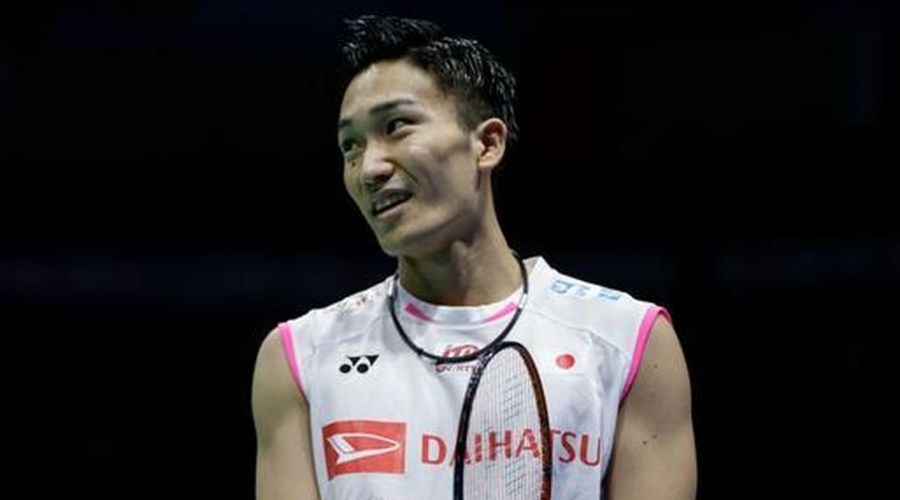
As we look back, Kento Momota remains a true inspiration for every athlete and coach striving for greatness. He redefined what was possible for a singles player, blending a defensive masterclass with an opportunistic offense. The Kento Momota badminton legacy is one of a champion who navigated the highest peaks and the deepest valleys with his head held high.
He may have stepped away from the international limelight, but whenever a player executes a perfect net shot or displays incredible “composure” under pressure, the spirit of Momota is there. He wasn’t just a player; he was a phenomenon that reminded us why we love this sport. The Kento Momota badminton legacy is, and will always be, a legend of precision and power.
